
 Tiếng Việt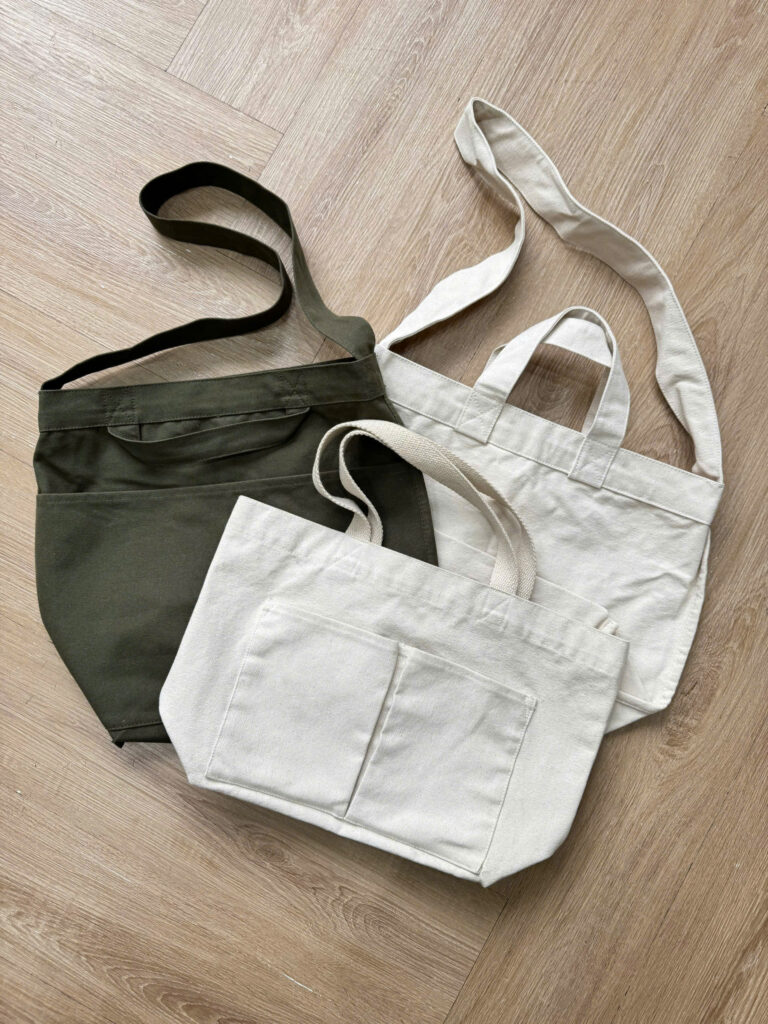
When it comes to eco-friendly, durable, and highly versatile bag materials, canvas is always one of the top choices. However, not everyone fully understands the
key characteristics of canvas fabric
—what makes it stand out, whether it is truly suitable for bag manufacturing, and in which situations it should be used. The article below will help clarify these aspects, from structure, durability, and aesthetics to the limitations you should consider before making a choice.
What is canvas fabric?
Before taking a deeper look at the
characteristics of canvas fabric
, it is important to understand the nature of this material.
Canvas fabric (also known as duck fabric)
is one of the oldest textiles in the garment industry, well known for its exceptional durability and flexible applications.
The term “canvas” originates from the Latin word cannabis (hemp), which was historically used as the main raw material for weaving canvas. Today, canvas has been significantly improved in both materials and techniques, making it far more suitable for modern bag production.
Structure and weaving technique of canvas fabric
Modern canvas is mainly woven from
natural cotton fibers, linen fibers, or blended with polyester
to enhance durability, reduce shrinkage, and optimize production costs.
The defining feature of canvas lies in its
plain weave technique
, where warp and weft threads interlace tightly at a high density. This structure creates a slightly rough surface that feels firm to the touch and is highly resistant to tearing under tension.
Canvas thickness is commonly classified by its
weight (GSM or ounces)
. The higher the weight, the thicker and stronger the fabric—making it more suitable for bags that need to carry heavier loads.
Applications of canvas fabric in bag manufacturing
Thanks to its solid structure and outstanding durability, canvas is widely used in various types of bags:
-
Canvas tote bags:
Lightweight and convenient for school, work, and everyday shopping -
Canvas backpacks:
Suitable for carrying laptops, books, and heavy items -
Fashion handbags:
Often combined with leather or metal accessories to create a vintage, edgy style -
Corporate gift bags:
Easy-to-print surfaces that enhance brand recognition
In practice, canvas is especially suitable for bags designed for repeated use, emphasizing durability and eco-friendliness. This is also why more and more brands prefer canvas over plastic bags or thin, less durable fabrics.
Durability and load-bearing capacity of canvas fabric
One of the most highly valued
characteristics of canvas fabric
in bag manufacturing is its superior durability and long-term load-bearing performance.
Thickness and load capacity
Canvas comes in various weights, commonly ranging from 8oz to 16oz.
The higher the weight, the thicker the fabric and the better its load-bearing capacity
. In bag production, 10oz–12oz canvas is often considered the optimal choice, balancing durability, weight, and usability.
Thanks to its tightly woven plain weave structure with high thread density, canvas offers excellent tensile strength and abrasion resistance. Canvas bags can
carry books, personal belongings, or heavy items
without easily tearing or losing shape, even with frequent use.
Shape retention
In addition to durability, shape retention is another important canvas fabric characteristic. Canvas naturally holds its form,
helping bags resist wrinkling, collapsing, or sagging over time
.
When properly constructed, canvas bags maintain a stable shape even without rigid inner reinforcement. This is particularly important for large tote bags, backpacks, or logo-printed bags, where a neat appearance and solid feel directly affect aesthetics and professionalism.
The aesthetic appeal of canvas fabric
Beyond functionality,
canvas fabric characteristics
also deliver a unique artistic value—a rustic, natural beauty that remains stylish and contemporary.
Surface texture and color
Canvas has a
slightly rough surface with visible weave patterns
, creating a firm, natural feel. This texture aligns perfectly with minimalist trends and products oriented toward sustainable lifestyles.
In terms of color, raw canvas typically comes in
off-white or light beige tones
. With modern dyeing technology, canvas can now be produced in a wide range of colors, from neutral shades to deeper tones, while maintaining good color stability. Nevertheless, natural hues remain the most popular as they preserve the distinctive “canvas character.”
Printability and logo application
Another standout canvas fabric characteristic is its
excellent printability
. The fabric surface holds ink well, allowing images and logos to
appear sharp and resist fading or peeling
when suitable printing techniques are used.
Thanks to this advantage, canvas is commonly chosen for
advertising bags, branded bags, event bags, and corporate gift bags
. Canvas not only meets functional needs but also effectively supports long-term brand visibility and recognition.
Limitations of canvas fabric
Despite its many advantages,
canvas fabric characteristics
also come with certain limitations that should be considered before choosing it for bag production.
Water resistance
Raw canvas has
poor water resistance
due to its cotton or natural fiber composition, which absorbs moisture. When exposed to rain or humid environments, the fabric
absorbs water easily and takes longer to dry
, which can be inconvenient for outdoor use.
To address this issue, some canvas fabrics are treated with
light waterproof coatings or inner protective layers
. However, these options are typically more expensive and should be selected based on actual usage needs.
Weight and flexibility
Compared to lightweight fabrics such as nylon or polyester, canvas is
heavier and less flexible
. As a result, canvas bags are not ideal for designs that require extreme foldability or a very soft drape.
On the other hand,
this very thickness and structure make canvas bags more stable, sturdy, and durable over long-term use
. Therefore, canvas is best suited for bags that prioritize reusability, durability, and structural stability rather than ultra-light fashion designs.
Conclusion
Overall,
ca