

 Tiếng Việt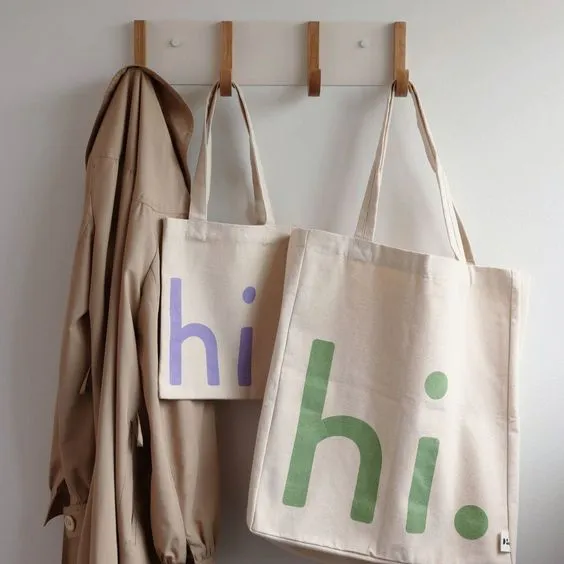
Are you wondering what a canvas bag is? This type of bag is becoming increasingly popular in everyday life—from daily shopping, school, and work to gifts and brand promotion activities. Although widely used, not everyone fully understands the canvas material, its key characteristics, and why this bag style is so favored. In this article, you will gain an overview of the concept, features, and practical applications, helping you clearly understand the value of canvas bags in modern life.
What is a canvas bag?
To clearly understand what a canvas bag is, you first need to grasp the basic concept and the core characteristics of this type of bag:
Definition of a canvas bag
Canvas bags are bags made from canvas fabric—a thick textile produced using the plain weave technique, where horizontal and vertical yarns are tightly interlaced. Thanks to this structure, canvas fabric has a slightly rough surface with a natural, rustic appearance while remaining highly durable and sturdy.
Compared to ordinary thin fabric bags, canvas bags offer better shape retention, fewer wrinkles, and minimal deformation. They can withstand stable loads even when carrying heavy items. This is why canvas bags are commonly chosen for long-term use rather than short-term purposes.
Common applications of canvas bags
Thanks to their high durability and flexible design, canvas bags are widely used in both personal life and business activities.
In daily life, canvas bags are often used for school, work, carrying books, documents, or personal items when shopping. Their simple design and easy styling make canvas bags suitable for various fashion styles, from casual to minimalist.
In business, canvas bags are commonly used as gift bags, event bags, or brand promotion bags. The fabric surface is easy to print logos and messages, and its reusability helps businesses increase brand recognition naturally, sustainably, and cost-effectively.
Canvas fabric used for making bags
When learning what a canvas bag is, it is essential to understand canvas fabric—the key factor determining durability, load-bearing capacity, and long-term usability:
Canvas fiber composition
Modern canvas fabric has evolved from traditional canvas to optimize durability and versatility:
- Cotton fibers: The most common option today. Cotton makes the fabric soft, breathable, easy to dye, and safe to use. Canvas with a high cotton content (65%–100%) has a refined surface, ideal for fashion bags and gift bags.
- Linen fibers: Provide a natural, rustic look with high durability. Often used for premium or artistic canvas bag designs.
- Synthetic fibers (polyester, nylon): Added to increase durability, moisture resistance, and reduce production costs. Suitable for frequently used bags or mass production.
Depending on fiber ratios, canvas fabric can be softer, lighter, or more rigid, serving various purposes such as shopping bags, school bags, or canvas gift bags.
Popular types of canvas fabric today
Based on composition and surface treatment, canvas used for bags is commonly classified as follows:
- 100% cotton canvas: Eco-friendly, visually appealing, and easy to print. Ideal for fashion bags and premium gift bags.
- Polyester-blended canvas: Wrinkle-resistant, durable, and cost-effective. Commonly used for large-scale production or daily-use bags.
- Raw (vintage) canvas: Natural beige color with a slightly coarse surface, offering a rustic and artistic style.
- Dyed canvas: Pre-dyed fabric with diverse color options, suitable for fashion-forward bag designs.
- Coated canvas (PVC/PU): Features a light waterproof coating on the back, helping bags maintain structure and perform better outdoors.
Choosing the right canvas material directly affects durability, user comfort, and aesthetic value. Understanding each canvas type helps you select the most suitable bag for personal or commercial use.
Advantages and disadvantages of canvas bags
To determine whether what a canvas bag is truly aligns with your needs, it is important to consider both its strengths and limitations in real-world use:
Advantages of canvas bags
In terms of material and usability, canvas bags offer many advantages over thin fabric bags or conventional plastic bags:
- High durability and load-bearing capacity: Thick, tightly woven canvas resists tearing and stretching, even with frequent use or heavy loads.
- Excellent shape retention: The sturdy fabric helps bags maintain structure, minimizing wrinkles or collapse during use.
- Easy printing and customization: The fabric surface absorbs ink well, supporting various printing techniques and ensuring clear, recognizable designs.
- Reusable many times: Canvas bags can be washed and reused for extended periods without significant loss of form or quality.
- Reduced plastic waste: Their long lifespan helps minimize reliance on single-use plastic bags in daily life and business.
Overall, canvas bags stand out for sustainability and long-term efficiency, making them ideal for frequent use rather than short-term solutions.
Disadvantages of canvas bags
Despite these strengths, canvas bags also have some limitations to consider:
- Poor water resistance without coating: Easily absorbs water in rain or humid conditions.
- Prone to stains: The coarse fabric and light colors require proper cleaning and care.
- Heavier than thin bags: Compared to plastic or non-woven bags, canvas bags feel heavier when carried for long periods.
- Not suitable for prolonged damp environments: Without proper drying, bags may develop mold.
Therefore, canvas bags are best suited for situations that prioritize durability and stability rather than lightweight convenience.
Distinguishing canvas bags from other fabric bags
Many people confuse what a canvas bag is with other fabric bag types. The comparison table below clarifies the differences:
| Criteria | Canvas Bags | Non-woven Bags | Cotton Fabric Bags (Thin) | Polyester (Nylon) Bags |
| Structure | Woven from cotton/hemp fibers, thick and coarse texture. | Thermally bonded synthetic fibers with small perforations. | 100% cotton, thin weave, soft like T-shirt fabric. | Petroleum-based synthetic fibers, smooth surface. |
| Durability | Very high (3–5 years), strong load capacity. | Low (3–6 months), tears easily under heavy weight. | Moderate, prone to wrinkles and stretching. | High, strong and flexible. |
| Water resistance | Low (except PU-coated). | Low (absorbs water quickly). | Absorbs water very quickly. | High (good water repellency). |
| Cost | Medium to high. | Very low. | Medium. | Medium. |
| Feel | Rustic, sturdy, vintage. | Artificial, lightweight. | Soft and drapey. | Sleek, modern. |
See also: Comparison of Canvas Bags and Other Bag Types: Detailed Pros & Cons
How to choose the right canvas bag for your needs
After understanding what a canvas bag is and its characteristics, selecting the right bag for your purpose is essential. The following criteria will help you choose a durable and cost-effective canvas bag:
Based on usage purpose
- School or daily work: Choose a medium-sized tote with a structured base and sturdy handles for books, documents, or laptops.
- Shopping or grocery use: Opt for large, wide-opening bags made from thick canvas for better load capacity and easy cleaning.
- Logo printing, gifts, or events: Simple designs with flat surfaces and medium or thin canvas help optimize printing quality and cost.
- Fashion accessory: Lightweight canvas with minimalist or decorative designs works best for styling and aesthetics.
Based on canvas thickness
- Thin canvas: Lightweight and affordable, suitable for gift bags or simple fashion items.
- Medium-thickness canvas: Balanced durability and weight, ideal for daily use.
- Thick canvas: Excellent load-bearing capacity, suitable for heavy items and long-term use.
Based on bag size
- Small bags: For personal items, casual outings, or short trips.
- Medium bags: Suitable for work, school, or light shopping.
- Large bags: Ideal for grocery shopping, carrying many items, or product packaging.
Most importantly, choosing a canvas bag does not mean selecting the largest or thickest option, but choosing the one that best fits your actual needs. The right choice ensures durability, convenience, and maximum value.
Frequently asked questions about canvas bags
Besides the question what a canvas bag is, here are the most common concerns users have during use:
- Can canvas bags be washed?
Yes. Canvas bags can be hand-washed or machine-washed on a gentle cycle. Use mild detergent, avoid prolonged soaking, and limit strong spinning to maintain shape and print quality. Air-dry in a shaded, well-ventilated area.
- Are canvas bags waterproof?
Standard canvas fabric is not fully waterproof and only offers limited water resistance. For rainy conditions or travel, choose PU-coated or water-repellent treated canvas bags.
- How long do canvas bags last?
Depending on fabric quality and usage habits, canvas bags can last 3 to 5 years or even longer—far exceeding single-use bags like plastic or paper bags.
Conclusion
Through this article, you now have a comprehensive understanding of what a canvas bag is and how it meets various usage needs. Beyond appearance, canvas bags are highly valued for their durability and long-term practicality. With these advantages, canvas bags are a worthwhile choice for anyone seeking a practical solution aligned with today’s sustainable consumption trends.