
 Tiếng Việt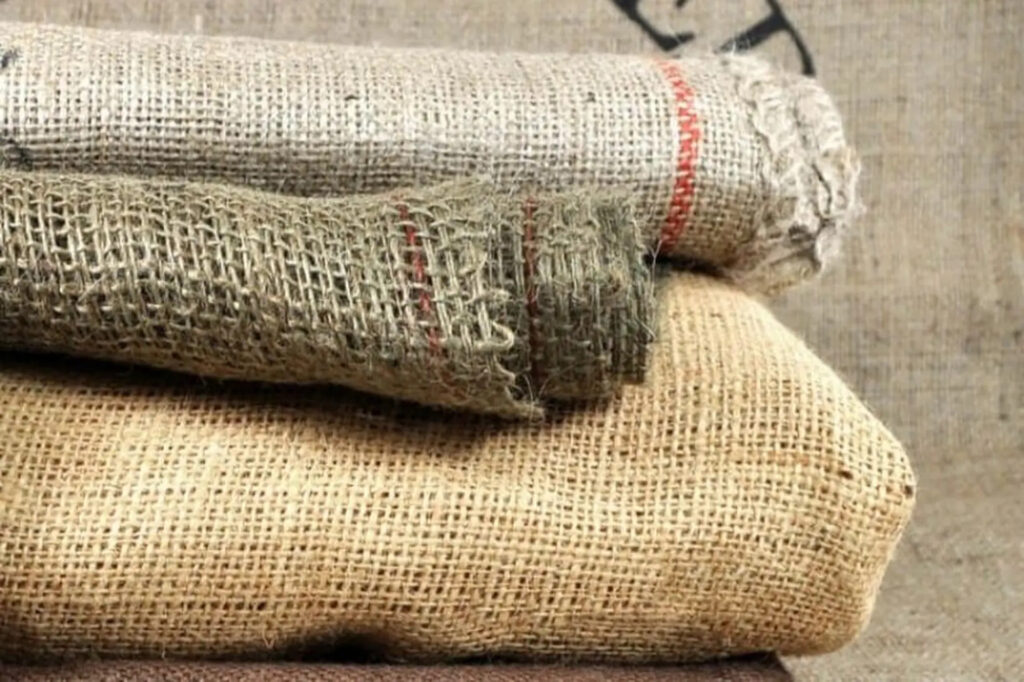
In recent times, canvas fabric has gained substantial popularity across various sectors, spanning from fashion and interiors to industrial manufacturing. Boasting a rustic charm, exceptional durability, and versatile applications, canvas not only provides practical value but also embodies a modern, nature-embracing aesthetic. Let’s delve into what canvas fabric is, its different types, and its diverse applications in everyday life, courtesy of Lavibag.
Defining Canvas Fabric
Canvas is a robust, plain-woven fabric typically crafted from cotton, linen, or synthetic fibers, characterized by its coarse texture, sturdy construction, and slightly rough surface. Often referred to as canvas fabric in English, this material has been employed since early times in manufacturing, military, and maritime activities due to its resilience, load-bearing capacity, and ease of handling.
Presently, with advancements in weaving technology, canvas has undergone significant improvements in both quality and aesthetics. It has evolved into a ubiquitous material in modern living, particularly favored for products embodying minimalist, vintage, or eco-friendly styles.
Key Characteristics of Canvas Fabric
Primary Advantages
A significant benefit of canvas is its high durability. The dense and robust fiber structure lends it excellent load-bearing capabilities, reducing the likelihood of tearing or deformation during extended use.
Furthermore, canvas exhibits relatively good absorbency, especially in variants made from natural cotton. The fabric’s surface offers a rustic, natural feel, making it ideal for handcrafted or nature-inspired products.
Additionally, this material is readily dyed, easily printed upon, and environmentally friendly when produced from natural fibers, contributing to its popularity in the current green living trend.
Inherent Limitations
Despite its notable advantages, canvas has certain limitations. The somewhat rough texture can cause discomfort or stiffness when in prolonged direct contact with the skin, particularly for those with sensitive skin.
Moreover, pure cotton canvas is prone to wrinkling and may shrink slightly after washing if not treated properly. Its water resistance is also limited unless treated with a specialized waterproof coating.
Common Types of Canvas Fabric Available Today
Canvas Fabric
Canvas fabric is the most prevalent type available in the market. It is a tightly woven canvas variant, possessing a moderate thickness and high durability. It is often used in crafting handbags, backpacks, footwear, tents, and other outdoor gear.
Canvas’s advantages include that it is easy to manipulate, easy to color match, and can display high-definition printed patterns. For these reasons it is highly desirable in the fashion and advertising sectors.
Cotton Canvas
Cotton canvas is woven entirely from natural cotton fibers, providing a softer feel compared to other canvas types. This fabric offers good sweat absorption, is gentle on the skin, and is safe for users.
Cotton canvas is often utilized in products such as tote bags, curtains, tablecloths, and interior decor items that evoke a natural aesthetic.
Polyester-Cotton Blend Canvas
Polyester-cotton blend canvas is a combination of cotton and synthetic polyester fibers. This blend helps to mitigate the wrinkling and shrinking issues associated with pure cotton canvas.
The polyester-cotton blend canvas exhibits high durability, resists wrinkles, maintains its shape well, and is cost-effective. It is a common choice for mass production, particularly for bags, packaging, and industrial applications.
Canvas-Spandex Blend
Canvas combined with spandex is enhanced for increased elasticity, making products more flexible during use. This type maintains the characteristic sturdiness of canvas while providing added comfort when worn or used.
The canvas-spandex blend is frequently used in clothing, especially casual wear, uniforms, or products requiring freedom of movement.
Canvas-Khaki Blend
Canvas blended with khaki is a fabric with a high thickness, stiff form, and good load-bearing capacity. This combination allows the fabric to retain the rustic feel of canvas while benefiting from the structure and aesthetic appeal of khaki.
Canvas blended with khaki is typically used in high-end bags, travel backpacks, fabric chairs, or interior products that need to be highly durable.
Real-World Applications of Canvas Fabric
Applications in Fashion Accessories
In the fashion industry, canvas is widely used in the production of tote bags, backpacks, sneakers, hats, and belts. Its simple aesthetic, ease of coordination, and durability make canvas products consistently popular, especially among young people.
Decorative Purposes
Canvas is an ideal choice in decorating living spaces. Curtains, wall hangings, tablecloths, and pillowcases made from canvas provide a warm, rustic, and nature-inspired ambiance.
Canvas’s materiality in decor is very well-suited to styles such as rustic, vintage, bohemian or minimalism.
Interior Design
In interior design, canvas is used to upholster sofas, chairs, seat cushions, or create decorative room dividers. Thanks to its high durability and load-bearing capacity, canvas interior products have a long lifespan and are easy to maintain.
Applications in Industrial Settings
Beyond fashion and interiors, canvas is also widely used in industrial applications. Canvas is used to produce conveyor belts, packaging, tents, awnings, and items requiring high durability in harsh environments.
Proper Care and Cleaning Instructions for Canvas Fabric
To keep canvas fabric looking its best over time, wash it in cold or lukewarm water and avoid using harsh detergents. When machine washing, select a gentle cycle to minimize shrinkage and fraying.
Additionally, canvas should be dried in a well-ventilated area, away from direct sunlight for extended periods. When ironing, use a moderate temperature and consider placing a thin cloth layer to protect the fabric’s surface.
Conclusion
With its high durability, versatile applications, and rustic charm, canvas fabric has become a popular choice in many facets of modern life. Understanding the characteristics, types, and care instructions of canvas will help you choose the right products and extend their lifespan. If you appreciate a natural, sustainable, and practical style, canvas is undoubtedly a material to consider.