
 Tiếng Việt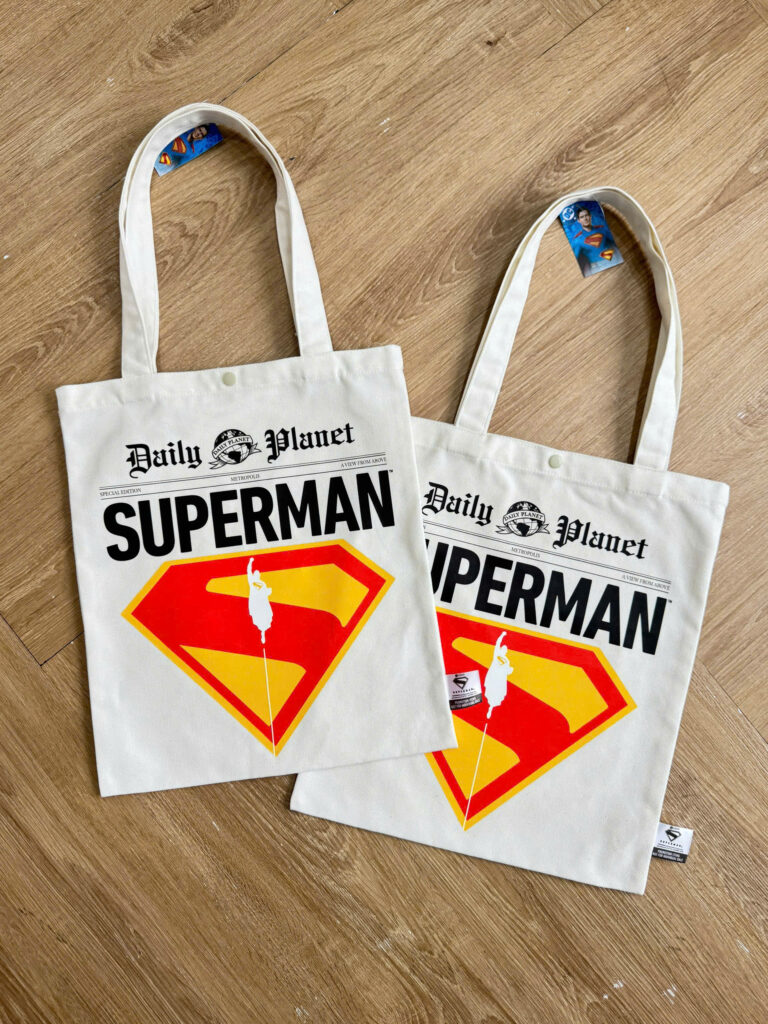
In the context of growing emphasis on green consumption and sustainable marketing, canvas fabric bags have gradually become a preferred choice for both consumers and businesses. Beyond aesthetic value and environmental friendliness, each bag is the result of a tightly controlled production process. This article will help you clearly understand the standard canvas bag manufacturing process—from fiber selection and fabric treatment to final product finishing—thereby enabling an accurate assessment of product quality and durability on the market.
Overview of the canvas bag manufacturing process
The canvas bag manufacturing process is a closed sequence of stages, controlled from raw material handling to finished product completion. Each step directly affects durability, shape retention, load-bearing capacity, and long-term usability.
In reality, not all canvas bags that look similar offer the same quality. The differences lie in production methods, technical standards, and the level of control at each stage. Therefore, understanding the overall process not only helps manufacturers optimize quality, but also helps buyers choose the right canvas bags for personal use or business purposes.
What stages does the canvas bag production process include?
A standard canvas bag manufacturing process is usually divided into four main stages that are closely interconnected:
- Canvas fabric production: Creating the base material that determines durability and load-bearing capacity.
- Design and pattern cutting: Defining shape, size, and functional use.
- Printing: Displaying images, messages, and brand identity on the fabric surface.
- Sewing and finishing: Reinforcing structure, controlling stitching quality, and completing the final product.
The quality of canvas bags depends on the combination of industrial machinery and skilled craftsmanship. The more standardized and strictly controlled the process, the more consistent and durable the finished products will be.
Why is it important to understand the canvas bag manufacturing process?
Understanding the canvas bag production process brings practical benefits to both end users and businesses ordering in bulk:
- Accurate quality evaluation: Distinguishing high-quality canvas bags from poorly made, fast-degrading products.
- Choosing the right bag for specific needs: Optimizing functionality for school, work, shopping, or branding purposes.
- Cost optimization: Understanding which factors affect pricing to avoid unnecessary expenses.
At its core, a standard-quality canvas bag must ensure three key factors: certified fabric material, design suited to usage needs, and durable, stable performance over time. In addition, technical aspects such as fabric weight (oz, GSM), printing technology, and stitching precision also play a crucial role in determining final product quality.
Canvas fabric production
Canvas fabric is the foundation of the canvas bag manufacturing process, directly determining durability, load-bearing ability, and product lifespan. Depending on usage purpose, canvas can be woven from cotton, polyester, or CVC blends to balance durability, cost, and practicality.
Canvas weaving
Weaving is the most important step in creating canvas fabric. After fiber processing, yarns are fed into industrial looms using a tight plain-weave technique, forming the sturdy structure and characteristic coarse surface of canvas.
Depending on usage requirements, canvas is woven in various fabric weights, commonly ranging from 8oz to 16oz. Higher-weight canvas is thicker, stiffer, and more load-resistant, suitable for premium canvas bags or heavy-duty use. Lighter canvas, on the other hand, is softer, lighter, and more cost-effective for promotional or short-term use bags.
Fabric surface treatment
After weaving, canvas undergoes surface treatments to enhance usability and stability before bag production. Common treatments include:
- Removing loose fibers and shrinkage control: Ensures dimensional stability and reduces deformation over time.
- Bleaching or dyeing: Preparing suitable base colors for design and printing.
- Starching or surface smoothing: Enhances stiffness, ease of cutting and sewing, and print quality.
- Light water-resistant treatment (if applied): Used for selected premium bags to improve practicality.
Proper surface treatment helps canvas maintain shape, reduce pilling, and increase overall durability. This step is often omitted in low-cost products, leading to faster deterioration during use.
Design and sewing of canvas bags
Once the canvas fabric meets standards, the canvas bag manufacturing process moves to design and sewing. This stage defines shape, size, and functionality, directly affecting user experience.
Bag form and standard sizing
Canvas bag design is not only about aesthetics but must also align with intended usage. Depending on needs, bag structure and construction are adjusted to optimize functionality, durability, and production cost.
Common canvas bag forms include:
- Flat bags: Simple design without gussets or base, suitable for gifts or promotional use.
- T-bottom bags: Expanded base increases capacity and helps maintain shape.
- Box bags: Featuring both side gussets and base, offering large storage space and premium appeal.
Bag sizes are typically standardized based on usage, commonly ranging from 25 × 30 cm to 40 × 45 cm. Standardization helps speed up mass production and reduces material waste.
Fabric cutting and accessory preparation
Once the bag form is finalized, canvas fabric is cut according to patterns. This step requires high precision to ensure accurate assembly and neat, durable seams.
At the same time, accessories such as handles, zippers, snap buttons, or reinforcement trims are prepared. Choosing appropriate accessories plays a crucial role in enhancing durability and overall user experience.
Printing and finishing of canvas bags
As the final stage, printing and finishing determine aesthetic appeal and commercial value in the canvas bag manufacturing process, ensuring products meet both technical and branding requirements.
Canvas bag printing methods
Depending on design complexity, order quantity, and budget, canvas bags can be printed using various methods:
- Silk screen printing: Ideal for large orders with simple, few-color designs. Offers strong ink adhesion, high color durability, and cost efficiency.
- Digital printing: Suitable for complex images and multi-color designs, ideal for small batches or customized orders.
- Heat transfer printing: Applied for special designs requiring sharp colors and high detail.
Choosing the right printing technology ensures strong ink adhesion, minimizing peeling and fading during use.
Finished product quality inspection criteria
After printing, canvas bags undergo finishing and quality inspection before shipment. Evaluation criteria typically include:
- Stitching quality: Even, firm stitches without fraying, especially at handles and bag base.
- Handle strength and structural integrity: Ensuring load-bearing capability in real-world use.
- Print surface quality: Clear, well-adhered prints without smudging or cracking.
A standard-quality canvas bag meets both technical and aesthetic requirements. This step also clearly distinguishes high-quality canvas bags from low-grade mass-produced products on the market.
Conclusion
Overall, the canvas bag manufacturing process is a closed system in which each stage—from weaving and treating canvas fabric, to design, sewing, printing, and quality inspection—plays a specific role that directly affects durability, aesthetics, and long-term usability. Understanding the entire process not only helps accurately assess product quality and pricing in the market, but also provides businesses with a foundation for choosing sustainable, eco-friendly, and competitively viable production solutions.